


WORM HUMUS

SOLID
VERMICOMPOST
ORGANIC SOLID COMPOST

HUMUs

100% Worm Humus is a fine, stable organic fertilizer that enriches soil quality by improving its physical, chemical, and biological properties.

It can be defined as the final stage in which organic matter is transformed through the action of earthworms, resulting in a colloidal substance that regulates the soil’s nutrient dynamics.

The vermicompost produced by earthworm activity is rich in macro- and micronutrients, vitamins, growth hormones, and enzymes such as proteases, amylases, lipases, cellulases, and chitinases, along with immobilized microflora. These enzymes continue to act on organic matter even after being excreted by the worms.

DELIVERY FORM

25kg - min. 48ud
600kg - 1200kg
Granel

BENEFITS

Outstanding benefits of solid worm humus for improving soil fertility:

VERMICOMPOST

In recent decades, agricultural activity has undergone remarkable development, both in terms of fertilization and pest and disease control in crops. However, any rapid growth comes with both pros and cons.

The development of fertilization techniques and crop protection through the application of synthetic chemical compounds has led to the following consequences:

0.1

Decline in microbial populations that naturally colonized crops

0.2

Lack of essential organic compounds needed for proper crop development—compounds that previously generated, recycled, and mobilized symbiotic microbiology in the root environment

0.3

Destruction of physical and chemical barriers provided by the plant’s ecosystem for protection (fungi, bacteria, earthworms, insects, etc.)

0.4

Elimination of host flora for beneficial fauna

0.5

Soil and water contamination, both groundwater and surface water, leading to eutrophication problems that seriously affect aquatic life

These are the issues that need to be addressed, and this article aims to justify the use of worm humus as a fundamental element for the health, proper development, and balance of crops.

Charles Darwin described earthworms as “the unofficial soldiers of humanity,” and Aristotle referred to them as “the intestines of the earth,” due to their ability to digest a wide variety of organic materials. Earthworms truly turn waste into “gold.”

What is Humus and how is it made?

Vermicomposting is the term used for the process of converting biodegradable matter into worm humus—or vermicompost, as it should be called—through the activity of earthworms. It is a non-thermophilic biological oxidation process (meaning it doesn’t involve high heat like conventional composting), in which organic matter is transformed into humus, a material visually similar to peat.

In the process of humus formation, the earthworm plays the leading role, but there are many other essential supporting actors—mainly microorganisms—that actively contribute and give worm humus its unique properties.

Worms break down the substrate, increasing the specific surface area to enhance bacterial degradation, which constitutes the active phase of vermicomposting. As this shredded organic matter passes through the earthworm’s digestive tract, it is mixed with resident microflora (similar to our gut bacteria) and digestive enzymes. It then exits the worm partially digested as “waste,” after which bacteria continue the decomposition process, contributing to the naturalization phase.

This naturalization makes the organic matter more readily available to plants—not just immediately upon application, but also in the long term.

The production of worm compost is a process that unfolds over a full year, with several key stages:

PHASE 1

Cow and sheep manure is combined with plant residues to create a homogeneous mixture, which is then piled up.

PHASE 2

For the next three months, the piles are turned a couple of times per month to aerate them. This allows the mixture to stabilize and prevents unwanted fermentation.

PHASE 3

Once stabilized, the material is transferred to long worm beds (50 meters by 2 meters), where the worms begin their work.

PHASE 4

Over the following twelve months, the beds are watered regularly to maintain the humidity levels necessary for the worms’ proper development.

PHASE 5

After vermicomposting is complete, the humus is extracted from the beds and repiled for an additional month. During this time, it is turned to help stabilize the essential resident microbiology.

PHASE 6

The humus is then sieved to remove larger particles and packaged for distribution.

In total, 16 months of dedicated work are required to produce a unique product with exceptional properties.

With Factor Humus, you can purchase solid worm humus fertilizer at the best price. We are a leading distributor in Spain.

Characteristics and composition

Vermicompost contains a high amount of organic matter, humic acids, nitrogen, phosphorus, potassium, and a wide range of enzymes, microelements, and amino acids. These components effectively promote crop growth and improve overall quality.

After the vermicomposting process, the pH of vermicompost is lower than that of regular compost, due to the production of CO₂ and organic acids during bacterial decomposition in the bioconversion of various substrates.

The action of worm humus in the soil is not short-lived. Nutrients available for plant nutrition are released steadily over time, thanks to the activity of associated microorganisms. Stable or “stabilized” humus refers to organic matter that is strongly bonded to soil aggregates, typically dark in color. Its composition is complex (including humin, humic acids, and fulvic acids) and it maintains a constant carbon-to-nitrogen (C/N) ratio of between 9 and 10. It generally makes up 75–80% of total humus. Its mineralization phase is very slow: only about 1–2% is broken down per year by microbial action, gradually releasing minerals that plants can absorb.

This mineralization involves two key stages: Ammonification (conversion of organic nitrogen to ammonium). Nitrification (conversion of ammonium to nitrate).

Worm humus regulates soil pH, microbiology, and enzymatic activity. It also reduces the presence of water-soluble chemical compounds, which are a source of environmental pollution.

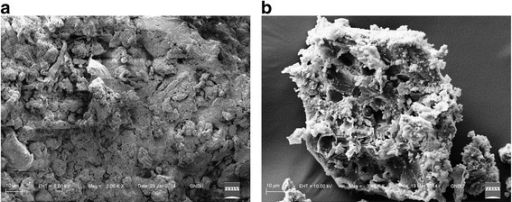
Vermicompost increases the ratio of soil macropores (50–500 µm), resulting in improved water/air balance—an essential factor for healthy plant growth.

Figure 1
a) Cow manure before vermicomposting
b) Cow manure after vermicomposting

Worm humus is four times more nutritious than traditional compost, as shown in numerous studies. For example:

Table 1: NPK values of worm humus compared to traditional cow manure compost (C, N, and P in %; others in mg/100 g).

Table 2: Comparison of nutrient values between conventional compost and worm humus (C, N, and P in %; others in mg/100 g).

The available nitrogen content in soil can be estimated by multiplying the total nitrogen content of worm humus by 20.

Worm humus also contains plant growth regulators, such as auxins, gibberellins, and cytokinins of microbial origin, as well as appreciable amounts of humic acids. Cytokinins produced by Arthrobacter spp. bacteria in the soil enhance seedling vigor. Gibberellins, produced by microorganisms, influence plant growth and development. Auxins, produced by Azospirillum brasilense, promote the growth of grasses (Poaceae family). Extensive research into the biological activity of humic substances has shown that they can: Stimulate plant growth. Solubilize otherwise insoluble minerals in organic matter, making them available to plants. Help plants cope with stress. Increase dry matter yields across various crop types.

Propierties of Humus

01.
High Content of Plant‑Available Nutrients

Worm humus contains elevated levels of plant‑available nutrients—such as nitrates (N), phosphates (P), soluble potassium (K), and magnesium (Mg)—as well as exchangeable phosphorus (P) and calcium (Ca). Its fine particulate structure offers a huge surface area with numerous microsites, fostering microbial activity and strong nutrient retention.

02.
Exceptional Abundance of Beneficial Microorganisms

Worm humus exhibits high microbiological activity and biodiversity, particularly within the fungal, bacterial, and actinomycete genera.
Several researchers have reported bacterial populations as high as 32 million per gram in fresh worm humus, compared to only 6–9 million per gram in surrounding soil. Some studies also found microbial densities exceeding 10¹⁰ per gram of worm humus. This includes Actinomycetes, Azotobacter, Rhizobium, Nitrobacter, and phosphate-solubilizing bacteria, typically ranging from 10² to 10⁶ per gram.

Plant Growth-Promoting Bacteria (PGPB) directly enhance plant development through nitrogen fixation, nutrient solubilization, and the production of growth hormones such as 1-Aminocyclopropane-1-carboxylic acid (ACC) deaminase. Indirectly, they generate antagonistic compounds—such as siderophores, chitinase, ß-1,3-glucanase, antibiotics, fluorescent pigments, and cyanide—which help suppress pathogenic fungi.

In addition, microorganisms including bacteria, fungi, actinomycetes, yeasts, and algae produce significant quantities of plant growth regulators (PGRs) such as auxins, gibberellins, cytokinins, ethylene, and ascorbic acids. When earthworms are involved in the composting process, the amount of available PGRs in the worm humus increases significantly.

The actinomycetes colonization stimulated by worm humus creates beneficial interactions within the rhizosphere, promoting plant growth, increasing nutrient availability, and providing defensive mechanisms against fungal pathogens such as those from the Fusarium genus, among many others.

03.
Rich in growth hormones: Biochemical growth stimulants

Worm compost stimulates plant growth even when the plant is already receiving optimal nutrition.
It has also significantly improved seed germination, enhanced seedling development, and boosted overall plant growth far beyond what is achievable through the conversion of mineral nutrients into plant-available forms. Studies have shown that the greatest benefits of worm humus occur when it constitutes between 10% and 40% of the growing medium.

Microorganisms—including bacteria, fungi, actinomycetes, yeasts, and algae—also produce plant growth regulators (PGRs) such as auxins, gibberellins, cytokinins, ethylene, and ascorbic acids in appreciable quantities. When earthworms are involved in the process, the amount of available PGRs in worm humus increases substantially.

The colonization carried out by actinomycetes introduced through worm humus generates a beneficial interaction in the rhizosphere with the plant. This interaction stimulates plant growth, makes a large amount of nutrients available, and provides defensive functions against pathogenic fungi such as those from the Fusarium genus, among many others.

04.
Rich in humic acids: Biochemical promoters of root growth and nutrient absorption

Humic acids enhance nutrient absorption by plants as they increase the permeability of root cell membranes, thereby stimulating root growth and the proliferation of root hairs.

05.
Vermicompost does not contain pathogens

In a 21-day combination of worm humus with composted material, a compost was produced with an acceptable C/N ratio, homogeneous texture, and good consistency as a fertilizer. The study also indicated that this product leads in pathogen reduction after three months of storage. However, samples consisting only of compost retained higher levels of pathogens even after three months of storage.

Worm humus does not contain pathogens harmful to humans. The production of worm compost leads to a significant reduction in human-pathogenic microorganisms, similar to conventional composting. It is generally accepted that during the 72-hour thermophilic phase of composting, most pathogens are eliminated. However, these studies show that human pathogens also do not survive the vermicomposting process. After 60 days of vermicomposting, the levels of fecal coliform bacteria in biosolids dropped from 39,000 MPN/g (Most Probable Number per gram) to 0 MPN/g. In the same period, Salmonella sp. levels decreased from <3 MPN/g to <1 MPN/g. Similar results have been reported for fecal coliforms, Salmonella sp., enteric viruses, and helminth eggs.

06.
Vermicompost do not contain toxic chemicals.

Several studies have found that earthworms effectively accumulate or biodegrade organic and inorganic chemicals, as well as heavy metals, organochlorine pesticides, and polycyclic aromatic hydrocarbons (PAHs) present in their environment.

07.
Vermicompost protect plants from pests and diseases.

In recent years, considerable evidence has been found regarding the ability of worm humus to protect plants against various pests and diseases by eliminating or repelling them, introducing biological resistance in plants to fight them, or killing them through the action of pesticides.

I.Induces biological resistance in plants

Vermicompost contains antibiotics and actinomycetes that help increase the biological resistance of the entire plant against diseases and pests. The use of aerosol pesticides has been significantly reduced when worm humus is applied in agriculture.

Vermicompost at concentrations of 40 µg/ml produced a 50% reduction in the formation of zoosporangia of Phytophthora cryptogea.

II. Repels pests

It can repel insects such as beetles (Coleoptera) and/or grasshoppers/crickets (Orthoptera). A significant reduction occurs in arthropod populations (aphids, bugs, cottony cushion scale, red spider mite) and a subsequent reduction in damage to tomato, pepper, and cabbage plants when 20% and 40% worm humus was added in trials. Worm humus repels many different pests. This effect is explained by the production of enzymes such as chitinase by the earthworms, which degrade the chitinous exoskeleton of insects.

III. Suppresses plant diseases

The use of worm humus in crops inhibits fungal diseases generated in the soil. Significant suppression of parasitic nematodes was also found in field trials conducted with pepper, tomato, strawberry, and grapevine. The scientific explanation for this is that the abundance of beneficial microbiology in worm humus protects the plant by competing for nutritional resources and also by blocking access to the plant’s roots through occupation of all available space.

The agronomic effect of small commercial vermicompost applications on fungal attacks caused by Pythium in cucumber, Rhizoctonia in greenhouse radish, Verticillium in strawberry, and Phomopsis and Sphaerotheca fuliginea in grapevine was significant. In all these experiments, applying worm compost significantly reduced disease incidence. The ability to eliminate diseases disappeared when the worm humus was sterilized, convincingly indicating that the biological mechanisms of disease suppression involved antagonistic microbiology.

There are two mechanisms responsible for pathogen suppression: one depends on the plant’s systemic resistance, and the other on microbiological competition, antibiosis, and hyperparasitism. The suppressive effect of worm humus against tomato fusariosis is clearly biotic, not chemical; experiments with sterilized worm humus failed to control the disease.

Furthermore, there is extensive evidence of vermicompost’s ability to control arthropod pests and nematodes—evidence comparable to that supporting the idea that conventional inorganic fertilization increases pest attack severity, not only by enhancing nutrition but also by boosting their reproductive capacity.

The mucus secreted through the earthworm’s digestive tract stimulates antagonism and competition among various microorganism populations, which in turn produce antibiotics and biochemical substances that act like hormones, promoting plant growth. Additionally, the mucus accelerates and enhances the decomposition of organic matter, which contains water-soluble phytohormones and nutrients available to the plant.

Indications for use in crops

Worm humus is suitable for any type of crop and is especially recommended for soils that exhibit severe imbalance, lack of organic matter, or problems with water retention.

Soils with low organic matter content and low microbial activity are prone to root diseases, and the addition of organic amendments effectively eliminates these diseases.

Vermicompost applied at a 20:1 ratio significantly and consistently increases plant growth under both field and greenhouse conditions, providing substantial evidence that biological growth-promoting factors play a key role in seed germination and plant growth. Research has revealed that plant hormones and growth regulators such as auxins, gibberellins, cytokinins, ethylene, and abscisic acid are produced by microorganisms.

This is particularly important for soils lacking structure, where erosion has occurred due to steep slopes, earth movements, or even flooding—phenomena that lead to the loss of fertile soil cover.

Humus affects the physical properties of the soil by forming aggregates and providing structural stability, binding to clays and forming the cation exchange complex, promoting water infiltration and retention, reducing erosion, and enhancing gas exchange. Regarding its effect on the chemical properties of the soil, authors mention that it increases the soil’s cation exchange capacity, nutrient reserves for plant life, and buffering capacity. It also enhances the effectiveness of mineral fertilizers and facilitates their absorption through the root hair cell membranes. As for its effect on biological properties, humus favors mineralization processes, supports the development of vegetation cover, serves as food for a multitude of microorganisms, and stimulates plant growth within a balanced ecological system. These effects of organic matter have also been suggested by other authors.

In soils that are “blocked” where the Cation Exchange Capacity (C.E.C.) is affected by abnormal concentrations of certain soil elements, which consequently cause the blockage of other nutrients and hinder proper plant nutrition.


In soils with extreme pH levels, humus acts as a buffer (pH regulation), helping to bring pH values into ranges where plants are better able to absorb nutrients.

During transplanting, it promotes and stimulates root development while simultaneously nourishing, protecting, and activating the plant to ensure strong growth under stress conditions.

In soils where toxicity from phytosanitary products or other substances causing toxicity in crops is detected, the active substances in humus bind to the chemical compounds (just as odors and flavors bind to activated carbon particles), forming complexes that immobilize them and prevent damage to the crops.

 

Technical characteristics

fertilizantes y abonos

Factor Humus is a leading and stable company that offers innovative and environmentally friendly solutions.

CONTACT INFORMATION

Calle Dante 1,
28011, Madrid​

Monday to Friday
9:00 am to 5:00 pm​

¿Desea Descargar La Ficha Del Producto?​